
What Are Game Coins Used for Outside Traditional Arcades?
So what do they actually do today, outside traditional arcades? The uses are surprisingly practical, especially when a venue wants quick, low-fuss access control without cash handling at the machine.
What are game coins, and why do people still use them?
They are token-style currency used to activate machines, track play, or control access to a paid activity. In many Australian venues, they still make sense because they are fast to issue, easy to count, and reduce small cash transactions.
For operators, custom game coins can simplify pricing and deter misuse. For guests, they create a clear, fun “one token equals one go” experience that suits families and groups.
How are they used in modern family entertainment centres and pubs?
They are often used to run redemption games, prize machines, and older cabinets that remain popular in Aussie family venues. Even when the venue uses cards for most games, tokens can still appear for specific machines, promotions, or overflow periods.
In some pubs and clubs, game coins help keep gameplay separate from the bar till. That separation can make staff training simpler and reduce disputes about change.
Can game coins be used at events, festivals, and pop-up activations?
Yes. They are a common choice for short-term game zones at council events, school fetes, and local festivals across Australia. Tokens are easy to hand out at a single point, then redeem at multiple activities.
For pop-ups, game coins also make pricing flexible. Organisers can bundle them into entry tickets, sell top-ups, or include them in sponsor packs without needing every station to handle cash.
How do charities and schools use game coins for fundraising?
They are often used as a substitute for cash at fundraising game stalls, small rides, and novelty machines. The main benefit is speed, since volunteers can focus on running activities rather than making change.
When a school uses game coins, it can also control spend and simplify reconciliation. One token can map to one play, or they can set tiered “gold and silver” token values for different stations.
Are they used for access control in non-gaming attractions?
Yes. They can act as a simple access pass for pay-per-use attractions like kiddie rides, mini-golf add-ons, photo booths, or even timed activities in an indoor venue. One token becomes proof of entitlement that staff can recognise instantly.
In this role, game coins work a bit like drink tickets, but for attractions. They reduce the need for QR scanners or POS terminals at every single station.
How do venues use them for promotions and customer loyalty?
They are an easy promotional bonus because they feel tangible. A venue might include a handful of tokens with a party booking, a weekday family deal, or a membership sign-up.
For loyalty, game coins can work like a “bounce-back” offer. Guests return with leftover tokens, and that return visit often leads to extra spending on food, prizes, or more top-ups.
Do game coins still matter if venues use card systems?
Yes, because tokens can fill gaps where cards are inconvenient. Some machines are token-based by design, and swapping hardware is not always worth it for a smaller operator or a seasonal setup.
Also, game coins can be useful for troubleshooting. If a card reader fails on a busy weekend, tokens can keep a small set of machines running while the venue fixes the issue.
Can they be used in vending-style machines and prize dispensers?
They can. Some capsule toy machines, novelty dispensers, and low-cost prize units accept tokens instead of coins, especially where the operator wants consistent pricing and fewer cash jams.
Using game coins also reduces the temptation for customers to force-feed Australian currency into a token-only slot. Clear token-only signage paired with a token exchanger usually lowers machine downtime.
Why do collectors and hobbyists value game coins?
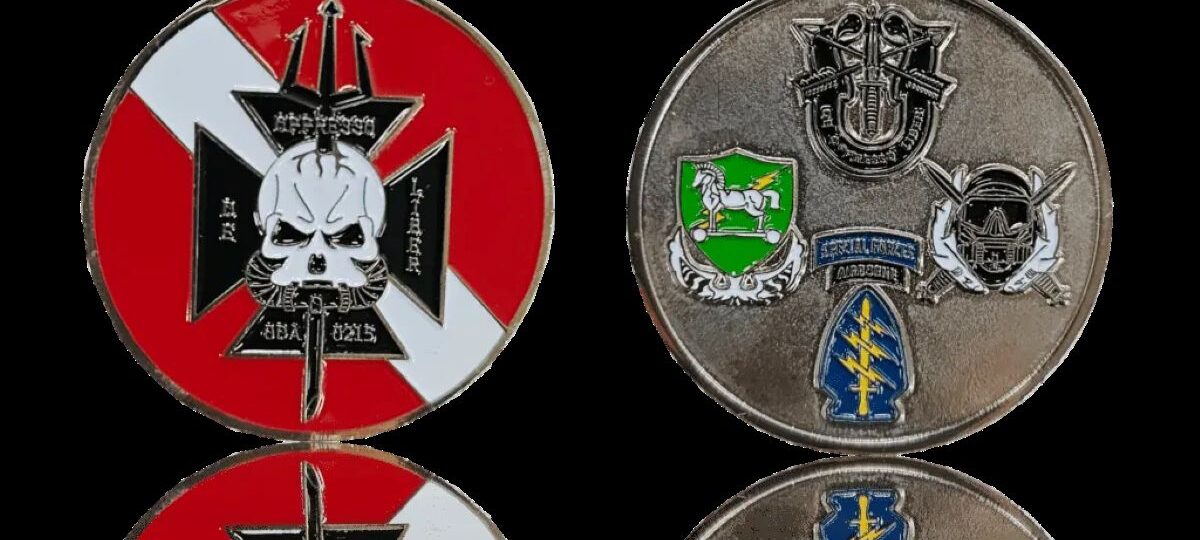
They value them for nostalgia, design, and local history. Many tokens include venue names, suburbs, logos, and even phone numbers, which can turn a small piece of metal into a record of a place that no longer exists.
Australian collectors often sort by state, venue chain, or era. For them, game coins are not “spare change”. They are miniature artefacts from leisure culture, malls, and holiday towns.
How are game coins used in escape rooms, tabletop clubs, and niche communities?
They are sometimes used as a house currency for quick participation. A club might sell a bundle at the counter, then members redeem tokens for table hire, timed sessions, or in-house mini challenges.
In escape-room style experiences, game coins can also be a themed prop that doubles as a practical voucher. That way, the token becomes both part of the story and a simple redemption tool.
What should venues consider before adopting game coins in Australia?
They should start with operations: token supply, secure storage, counting processes, and clear rules for refunds. It also matters how they will handle lost tokens, damaged tokens, and token exchanger maintenance.
They should also consider guest expectations. Some people prefer tap-and-go everywhere, so venues using game coins usually do best when they explain the system clearly and keep purchase points visible and staffed.
Are there legal or compliance issues venues should think about?
Yes, depending on how the system is positioned. If tokens can be redeemed for cash or have gambling-like mechanics, venues should seek proper advice relevant to their state or territory.
For most entertainment uses, game coins are simply a prepaid play mechanism, similar to tickets for rides. Still, operators should be careful with messaging, refunds, and any prize structures to avoid confusion.
What are the most common practical benefits outside traditional arcades?
They mainly offer speed, simplicity, and control. A single token type can standardise pricing across mixed attractions, reduce cash handling at machines, and make it easier to manage busy periods.
In Australia, game coins also suit venues that want a fun “hands-on” experience for kids and families. They feel like part of the outing, not just a payment method.
What is the best way to decide whether game coins are worth using?
They are worth it when a venue needs quick redemption, low-tech access control, or a simple way to bundle value into packages. They are less attractive when a venue is fully cashless and wants granular reporting per user.
A practical approach is to trial game coins on a small subset of machines or attractions first. If guest uptake is strong and staff find operations easier, expanding the system becomes a straightforward next step.
More to Read : What Should You Ask an Acrylic Pin Manufacturer Before a Bulk Order?
FAQs (Frequently Asked Questions)
What are game coins and why are they still popular in Australia?
Game coins are token-style currency used to activate machines, track play, or control access to paid activities. In many Australian venues, they remain popular because they enable fast issuance, easy counting, and reduce small cash transactions. They simplify pricing for operators and provide a clear, fun “one token equals one go” experience for guests, especially families and groups.
How do modern family entertainment centres and pubs use game coins?
In Australian family entertainment centres and pubs, game coins are often used for redemption games, prize machines, and older arcade cabinets. Even venues that primarily use card systems may use tokens for specific machines or promotions. In pubs and clubs, game coins help separate gameplay transactions from bar sales, simplifying staff training and reducing disputes over change.
Can game coins be used effectively at events, festivals, and pop-up activations?
Yes. Game coins are a common choice for short-term game zones at council events, school fetes, and local festivals across Australia. They allow easy distribution at a single point with redemption across multiple activities. For pop-ups, tokens offer flexible pricing options such as bundling into entry tickets or sponsor packs without requiring each station to handle cash.
How do charities and schools utilize game coins for fundraising purposes?
Charities and schools use game coins as a cash substitute at fundraising stalls, small rides, and novelty machines. This speeds up operations by letting volunteers focus on activities rather than handling change. Schools can also control spending by mapping tokens to plays or setting tiered token values like “gold” and “silver” for different stations, simplifying reconciliation.
Are game coins used beyond gaming machines in other attraction settings?
Yes. Game coins serve as simple access passes for pay-per-use attractions such as kiddie rides, mini-golf add-ons, photo booths, or timed indoor activities. They act like drink tickets but for attractions—providing instant proof of entitlement recognized by staff without needing QR scanners or POS terminals at every station.
Do game coins still have a role when venues adopt card-based payment systems?
Absolutely. Tokens fill gaps where cards may be inconvenient or unavailable—some machines are designed exclusively for tokens and replacing hardware may not be cost-effective for smaller or seasonal setups. Additionally, tokens serve as useful backups during card reader failures on busy days to keep some machines operational while repairs occur.